bosch oven manual
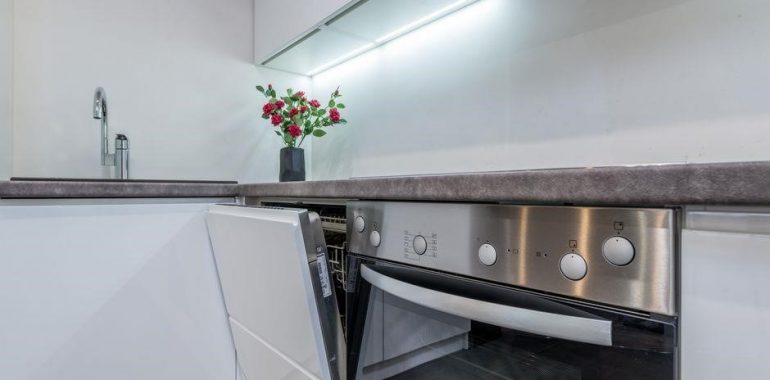
bosch oven manual
Discover how Bosch ovens simplify cooking with clear manuals, step‑by‑step guides, and troubleshooting tips. This guide explains model features, safety, and firmware updates, ensuring you get the most from your appliance while keeping it reliable and efficient.Use it to master recipes and maintain oven’s longevity.
Bosch Oven Models
Bosch offers a diverse lineup of ovens that cater to both professional chefs and home cooks. The range includes single ovens, double ovens, wall‑mounted units, and freestanding models, each designed with precision engineering and intuitive controls. Popular series such as the Bosch 800, 900, and 1000 lines feature advanced convection technology, self‑cleaning modes, and programmable timers; The 800 series focuses on sleek design and energy efficiency, while the 900 series adds smart connectivity and multi‑zone cooking. The 1000 series provides the highest capacity and the most sophisticated temperature control, ideal for large families or culinary enthusiasts. Bosch also produces compact countertop ovens for small kitchens, offering features like rapid pre‑heat and precise temperature monitoring. Each model is built with high‑quality stainless steel interiors, easy‑to‑clean surfaces, and safety features such as child locks and over‑temperature protection. Whether you need a single‑door oven for everyday meals or a double‑door unit for large gatherings, Bosch’s extensive catalog ensures there is a model that fits your space, budget, and culinary ambitions.

Among the double‑door options, the Bosch 800 Series 2‑Door Oven offers a 2.6‑cubic‑meter capacity and a sensor that adjusts cooking times. The 900 Series 2‑Door Oven incorporates a Wi‑Fi module, allowing control via the Bosch Home Connect app. For those seeking the pinnacle of performance, the 1000 Series 2‑Door Oven boasts a 3.4‑cubic‑meter capacity, a 12‑zone convection system, and a self‑cleaning function that uses steam to eliminate residues. Models such as the Bosch 800 Series Compact Oven provide a 0.6‑cubic‑meter capacity, a pre‑heat feature, 30‑minute timer, making it ideal for small apartments or as a backup oven All models comply.

Where to Find Manuals
Find Bosch oven manuals on the official Bosch website, authorized dealers, or trusted third‑party sites. Use the model number to search the support portal, download PDFs, or request a printed copy. Always verify the source to avoid counterfeit documents. Check for updates and support forums for community tips!!!
Types of Manuals
Bosch ovens come with a range of manuals designed to meet different user needs. The primary manual is the user guide, which covers installation, operation, safety, and maintenance. This guide is typically printed in a compact booklet or available as a downloadable PDF. It includes diagrams, cooking settings, and troubleshooting steps for everyday use. The user guide is organized into sections such as safety precautions, appliance overview, cooking functions, and cleaning instructions. It also contains a troubleshooting matrix that matches error codes to possible causes and remedies. Users can refer to this matrix when the oven displays a fault code on the digital panel. For advanced users, Bosch offers a service manual that delves into technical details, wiring diagrams, and component specifications. This manual is essential for professional repair technicians and is usually restricted to authorized service centers. It contains detailed schematics, torque settings, and diagnostic procedures that are not found in the user guide. Additionally, many Bosch models have a quick‑start guide, a concise reference card that highlights key functions and shortcuts. This guide is ideal for new owners who want a quick overview without reading the full manual. It often includes a table of contents, a list of safety warnings, and a summary of cooking modes. The quick‑start guide is often printed on a single sheet of cardstock and can be kept in the oven compartment. It features icons that represent functions such as bake, broil, convection, and timer settings. The guide also shows how to adjust temperature, set the clock, and use the oven’s internal light. Finally, Bosch provides online resources such as video tutorials, FAQs, and downloadable PDFs that complement the printed manuals. These resources help users troubleshoot common issues, learn advanced cooking techniques, and stay updated on firmware releases. Online resources are updated more frequently than printed manuals. Bosch’s support portal hosts firmware updates, new cooking recipes, and user forums where owners share tips. Users can also download the latest version of the user guide in multiple languages, ensuring accessibility for a global audience. When searching for a specific manual, always verify the model number and year of manufacture. Bosch’s website allows users to enter the serial number to retrieve the exact PDF. This ensures compatibility, especially for older models that may have different firmware or component layouts. If a manual is unavailable online, contacting Bosch customer support can provide a physical copy or direct you to an authorized distributor. In summary, Bosch provides a layered approach to documentation: the user guide for everyday operation, the service manual for in‑depth repair, the quick‑start guide for rapid reference, and online resources for dynamic updates. Together, these manuals empower users to operate safely, maintain efficiently, and troubleshoot effectively!
How to Download Digital Manuals
To download a Bosch oven manual, start by visiting the official Bosch Home & Garden website. Enter your oven’s model number in the search field; for example, “BMG 8000” or “BGE 9000.” The search results will list the product page for your appliance. Click the product link, then go to the “Support” or “Downloads” section. Bosch usually offers the manual in PDF format, viewable on any device with a PDF reader. Click the PDF icon to open the file in your browser. To keep a copy for offline use, right‑click the link and choose “Save link as…” or “Download linked file.” The file size is typically between 1 MB and 3 MB. After downloading, store the PDF in a folder such as “Bosch Oven Manuals” on your computer. If you need to print the manual, open the PDF, select “Print,” and set the page range to include only the sections you need. Many users create bookmarks for the “Troubleshooting” or “Safety” sections for quick reference. If the Bosch website is unavailable, you can obtain the manual from authorized retailers or the Bosch Parts & Service portal. Some third‑party sites also host Bosch manuals, but verify the source to avoid outdated or incorrect information. Always ensure you’re downloading the manual that matches your oven’s exact model and firmware version. By following these steps, you’ll have a reliable digital copy of your Bosch oven manual that you can refer to whenever you need instructions, safety guidelines, or maintenance tips. It also lists warranty termsand service contacts for quick assistance. The manual recommends cleaning supplies to keep the oven in top condition.
Printing Manuals
Printing a Bosch oven manual is straightforward once you have the PDF version downloaded from the official Bosch website or a trusted retailer. Start by opening the file on a computer, tablet, or smartphone. For desktop users, the built‑in PDF viewer in browsers such as Chrome or Edge offers a print button; for mobile devices, tap the share icon and select “Print.” Ensure your printer is connected to the same network or physically linked via USB. Before printing, check the page layout: select “Portrait” or “Landscape” depending on the manual’s orientation. Most Bosch manuals are designed in a two‑column format; choosing “Fit to page” prevents text from being cut off. If you prefer a hard copy for quick reference, consider printing the table of contents and key sections separately, then binding them with a simple ring binder. For those who need a durable copy, use the “High‑quality” print setting and a thick paper stock to avoid smudging. Remember to keep the manual in a cool, dry place to preserve the paper and to avoid ink fading. If you need to print multiple copies, use the “Print multiple pages per sheet” option to save paper and ink, which is especially useful for family members who share the oven. Finally, label the printed pages with the model number and serial number to keep them organized for future reference or warranty claims. This simple process ensures you have a reliable, accessible reference for troubleshooting, maintenance, and recipe inspiration.
When printing, also consider the environmental impact. If you are comfortable with digital versions, you can reduce paper usage by printing only the sections you need. Many Bosch manuals are searchable, allowing you to jump directly to the “Troubleshooting” or “Safety” sections without printing the entire document. If you do print, recycle the paper after use. Additionally, keep a backup PDF on a USB drive or cloud storage; this protects against loss if the original file is corrupted. For advanced users, you can customize the print layout by selecting “Custom” in the print dialog, adjusting margins to fit more text per page. This can be handy for compact kitchens where space is limited. Always double‑check the print preview to ensure no important information is omitted. By following these steps, you’ll have a durable, well‑organized manual that supports your Bosch oven for years to come.
Navigating Manual Contents
When you open a Bosch oven manual, the first thing you’ll see is the table of contents. It lists every chapter and page number, letting you jump straight to the information you need. The index on the back offers quick reference to safety guidelines, appliance specs, and recipe suggestions. The layout is consistent across models: front‑matter, user‑guide, and appendix. Front‑matter contains the warranty, model number, and safety warnings. The user‑guide section holds installation, operation, cleaning, and maintenance instructions. Each chapter starts with a clear heading, followed by numbered steps, diagrams, and tips. The appendix includes troubleshooting tables, parts lists, and firmware update procedures. To find a feature, use the PDF search or the manual’s index. For paper copies, flip to the page number shown in the table of contents. If you need help locating a setting, look under “Control Panel” or “Cooking Functions.” The manual also has a glossary and a FAQ section. By mastering the manual’s structure, you can troubleshoot issues, perform routine maintenance, and extend the life of your Bosch oven. The manual offers a maintenance schedule that tells you when to clean the convection fan, replace filter cartridges, and inspect door seals. It explains how to reset the oven’s clock and calibrate temperature settings. Firmware updates are explained, including how to connect the oven to a computer via USB or Wi‑Fi, download the latest firmware, and install it safely. The design is user‑friendly, with icons for bake, broil, and convection, each accompanied by a brief description. Diagrams use blue for heating, red for temperature, green for safety. A flowchart guides you through error codes and corrective actions. By following these visual aids, you can quickly identify the correct setting for any recipe. All in all. Use.
Common Troubleshooting
When a Bosch oven behaves oddly, start with the most common issues: power, heating, and display errors. Follow these steps to isolate and resolve the problem.
- Power problems: Verify the outlet is functional and the circuit breaker is on. Check the oven’s power cord for damage. If the oven does not turn on, try a different outlet.
- Heating issues: If the oven fails to heat, confirm the correct temperature setting and that the oven door is fully closed. Inspect the heating element for visible cracks or discoloration. Replace if necessary.
- Display or control panel errors: A frozen or unresponsive display often indicates a firmware glitch. Reset the oven by unplugging it for 60 seconds, then restore power. If the problem persists, update the firmware via the manufacturer’s website.
- Uneven cooking: This may result from a malfunctioning bake‑top sensor or a misaligned rack. Clean the sensor area, and ensure racks are positioned correctly. Use the oven’s “even heat” mode if available.
- Noise or vibration: Excessive noise can stem from loose components or a faulty fan. Tighten any loose screws and inspect the fan for debris. Replace the fan if it is damaged.
- Door lock issues: A door that does not latch can cause safety interlocks to trigger. Check the latch mechanism for obstructions and lubricate with a silicone spray. If the latch remains stuck, contact support.
For persistent problems, consult the Bosch oven manuals or contact authorized service. Keeping a digital copy speeds troubleshooting and ensures safetyex!!!.
Safety Tips
Before using your Bosch oven, ensure the appliance is correctly installed and the ventilation system is clear. Keep the oven at least 10 cm from walls, cabinets, and other appliances to allow proper airflow. Never block the exhaust vent with curtains or drapes, as this can cause overheating and fire risk.
Always use the oven on a stable, level surface. Check the power cord for damage before plugging it in. Use voltage tester before plugging in. Keep the oven away from flammable materials.
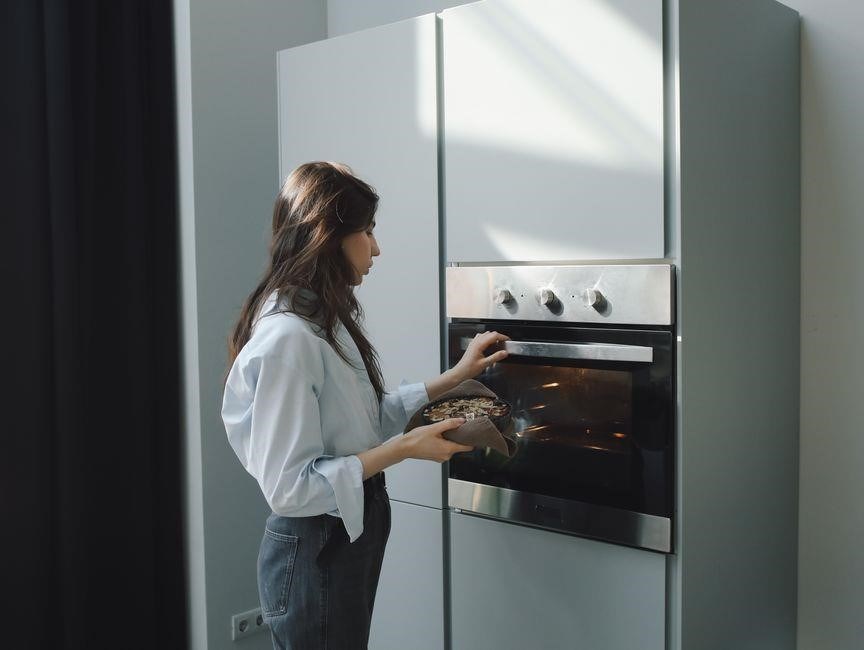
When cooking, keep flammable materials—such as paper towels, plastic, or cooking oil—away from the oven’s heating elements. Use oven mitts to handle hot trays and avoid touching the interior surfaces during operation. Never leave the oven unattended while it is on.
For safety, install a smoke detector in the kitchen and test it regularly. If you notice any unusual smells, sparks, or smoke, turn off the oven and unplug it. Keep a fire extinguisher rated for electrical fires within easy reach.
Children should be supervised and kept at a safe distance from the oven. Teach them not to touch the door or the heating elements. Use child‑proof locks if the oven is in a shared kitchen.
Regularly clean the oven’s interior and the exhaust filter to prevent grease buildup, which can ignite. Follow Bosch’s cleaning instructions and avoid using abrasive cleaners that could damage the oven’s surfaces.
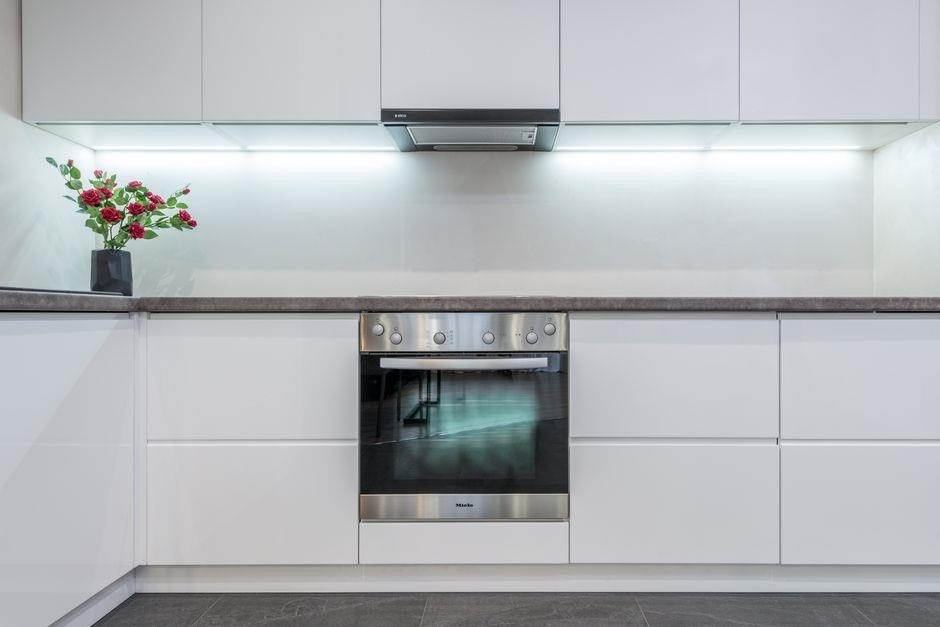
When the oven is not in use, turn it off and unplug it if you will be away for an extended period. This reduces the risk of electrical faults and saves energy.
Finally, keep the oven’s manual handy for reference. In case of a malfunction, consult the manual or contact Bosch support before attempting repairs.
Keep oven door closed duringuse!.
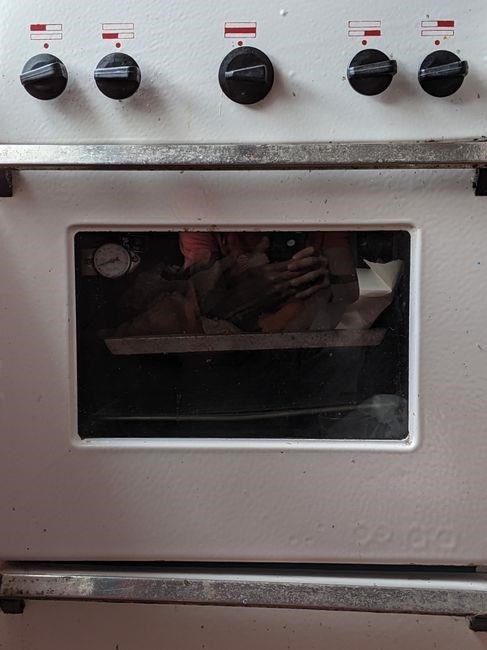
Updating Firmware
Keeping your Bosch oven’s firmware current ensures optimal performance, new features, and improved safety. Most modern models support over‑the‑air (OTA) updates that can be initiated directly from the oven’s touchscreen. First, connect the oven to a stable Wi‑Fi network; the display will prompt you to check for updates. If an update is available, follow the on‑screen instructions: confirm the download, allow the oven to pause cooking, and let the firmware flash. During the process, keep the oven’s power cord securely plugged in and avoid turning off the unit. For models lacking OTA capability, Bosch offers a USB‑based update method. Download the latest firmware file from the official Bosch website, save it to a USB flash drive, and insert it into the oven’s USB port. The oven will detect the file and guide you through the installation. After the update, the oven will reboot automatically. It’s advisable to perform a quick self‑check: run a short bake cycle to confirm the oven’s temperature accuracy and sensor calibration. If any irregularities appear, consult the troubleshooting section or contact Bosch support. Regular firmware updates not only enhance functionality but also reinforce compliance with evolving safety regulations, ensuring your appliance remains reliable and efficient for years to come. Before starting, back up any custom settings if the oven allows exporting profiles. After the update, the oven may reset to factory defaults; re‑enter your preferred cooking presets. If the oven fails to start after an update, press the reset button located on the back panel for 10 seconds. If problems persist, clear the update cache by navigating to Settings > Maintenance > Clear Cache, then retry the update. Bosch also provides a diagnostic mode accessible via the service menu; use it to verify that all sensors report within spec. Finally, keep a record of firmware version numbers; this helps when requesting support or comparing performance across upgrades.
FAQs
- How do I locate my Bosch oven model number? The model number is on a sticker inside the door frame or on the back of the unit.
- Where can I find the user manual online? Download the PDF from Bosch’s website by entering your model number.
- Can I update firmware from the manual? Follow the touchscreen or USB instructions in the manual.
- Is there a warranty on the manual’s instructions? The oven’s warranty covers defects; the manual is not warranted.
- Can I print the manual for offline use? Yes, download the PDF and print it with any printer.
- What safety precautions are highlighted? Unplug before cleaning and keep children away.
- How do I contact Bosch support if the manual doesn’t help? Use the contact info in the manual or visit Bosch’s online portal.
- Where can I find replacement parts listed in the manual? Check the appendix for part numbers.
- How do I reset my Bosch oven? Press and hold the reset button for 5 seconds, then release. The oven will reboot and display a confirmation message.
- What should I do if my Bosch oven shows a fault code? Refer to the fault code list in the manual, then follow the suggested steps or contact support if the issue persists.
- How do I calibrate the temperature sensor?Use the calibration mode in the settings menu follow the on-screen prompts to adjust the sensor reading

Warranty and Support
Bosch ovens come with a 2‑year limited warranty covering manufacturing defects and parts. Most models extend the warranty to 5 years for the heating element and 10 years for the electronic control board, provided the appliance is used and maintained as intended. Register your unit online within 30 days of purchase, entering the serial number found on the back of the appliance, to activate the warranty. Bosch offers a 24/7 customer service hotline and a comprehensive online support portal that includes downloadable manuals, firmware updates, and a troubleshooting FAQ addressing common issues such as temperature inaccuracies, error codes, and door latch problems. If a defect is identified, a Bosch service technician will visit the customer’s address at no additional cost, assuming the warranty remains valid. Optional extended warranty plans are available, covering additional components for up to 15 years, and can be purchased through authorized dealers or directly via the Bosch website. The company also provides a dedicated mobile app that allows users to schedule service appointments, receive real‑time diagnostics, and track repair status. For international customers, Bosch maintains a network of certified service centers in over 40 countries, ensuring warranty claims are processed efficiently regardless of location. All service requests are logged in a centralized system, allowing Bosch to monitor repair trends and improve product reliability over time. By following the manufacturer’s recommended maintenance schedule—cleaning the oven door seals, inspecting the heating element, and checking the thermostat—owners can prevent many common problems and keep the oven running safely for years. If a problem occurs outside the warranty period, Bosch still offers repair services for a fee, and many parts can be purchased directly from the Bosch parts store. For any questions, customers can contact the local Bosch dealer or use the online chat feature for immediate assistance. The company’s commitment to quality and customer satisfaction is reflected in its proactive support strategy, which includes preventive maintenance reminders, firmware updates, and a responsive service network. This comprehensive approach ensures that Bosch oven owners receive reliable, long‑term support throughout the appliance’s lifecycle.
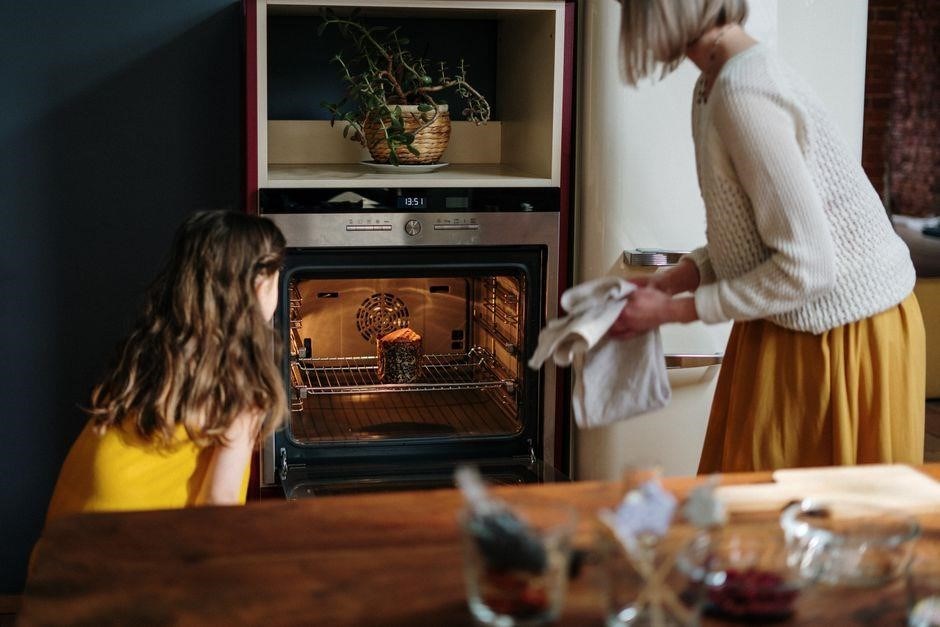
After exploring Bosch oven manuals, you now understand how to navigate digital resources, print essential pages, and troubleshoot common issues. The manuals provide detailed safety instructions, firmware update procedures, and warranty information, ensuring your appliance remains reliable and efficient. By following the guidance on downloading PDFs, selecting the correct model, and using the search function, you can quickly locate the exact manual for your oven. Remember to keep the manual accessible for future reference, whether you prefer a digital copy on a tablet or a printed version for quick lookup. Regularly checking Bosch’s support site for firmware releases will keep your oven’s performance optimal. If you encounter any persistent problems, consult the troubleshooting section or contact Bosch customer service for professional assistance. With the right manual at hand, you can confidently operate your Bosch oven, maintain its longevity, and enjoy consistent, high‑quality results in every cooking session.By keeping the manual organized, you can quickly reference cooking times, temperature settings, and safety precautions. Bosch also offers an online community where users share tips and recipes, enhancing the oven’s versatility. Remember to register your appliance for warranty support and to receive updates on new features. Finally, treat your Bosch oven with care: clean the interior regularly, check door seals, and avoid overloading the oven to maintain optimal performance and longevity. Keep the oven door sealed and avoid utensils on the heating element.